


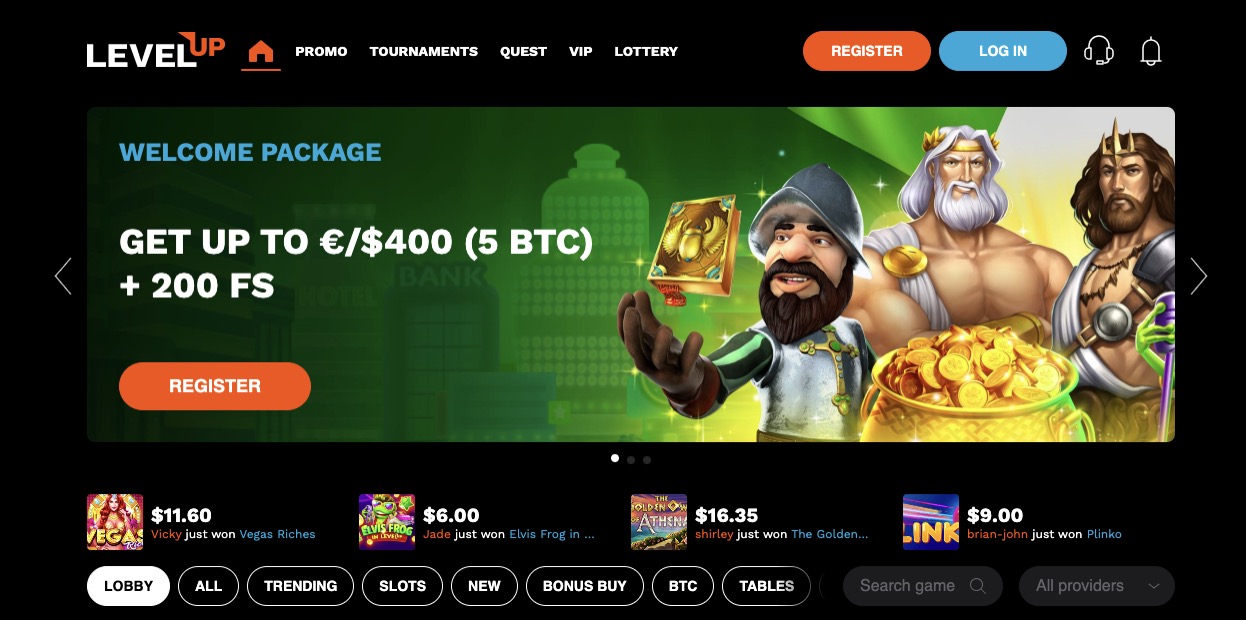
Let us introduce an honest look at how we manage every ad, sponsorship, and public message that displays the Level up Casino name. Promotion is often the first handshake between us and someone who might become part of our platform, and I believe that handshake should be strong, honest, and clear about what we present. My team and I built this policy not as a legal checkbox but as a ongoing promise: we’ll never glamourise excessive play, never hide the risks, and never target groups who shouldn’t be presented to gambling content. In the sections that follow, I’ll walk you through the specific steps we implement to make sure our marketing demonstrates the same care we invest into our responsible gambling features. Your safety commences long before you ever create an account with us.
Our Promise to Clear Communication
I’ve always believed the quickest way to lose trust is to guarantee something you can’t deliver. That’s why every piece of copy, image, and video we create starts from a place of factual clarity. When we talk about a welcome offer, I insist the exact terms, wagering requirements, and time limits appear directly next to the headline number, never hidden in tiny footnotes. I also guarantee our creative team steers clear of language that suggests gambling can remedy financial problems, replace a job, or act as an emotional escape. Words like “guaranteed win” or “risk-free” are prohibited from our vocabulary because they present a distorted picture of what entertainment gaming actually entails. This commitment extends to influencer partnerships: we require partners to disclose the commercial relationship and to steer clear of portraying gambling as a lifestyle necessity rather than a leisure choice.
Beyond the words, Level up Casino gambling help, I pay close attention to the emotional tone our ads carry. You’ll never see us featuring desperate characters, lavish spending montages, or imagery that implies social status depends on a big win. Instead, we focus on the craft of the games, the friendly competition of live dealer tables, and the simple enjoyment of a well-designed slot mechanic. I regularly take part on creative reviews and pose one simple question: if a young adult who has never gambled before saw this, would they understand both the fun and the inherent risk? If the answer isn’t a clear yes, we go back to the drawing board. Honest communication, for me, means every advertisement respects your intelligence enough to share the whole story, not just the highlight reel.
No Deceptive Bonuses or Promotions
Bonus offers can be a fantastic way to extend your entertainment budget, but I understand they can also become a root of confusion and frustration if they aren’t shown with absolute transparency. My policy is that every promotional advertisement must state the most restrictive condition that pertains to the offer, not the most attractive headline figure. If a deposit match includes a forty-times wagering requirement and a seven-day expiry, those numbers show up in the same font size and visual weight as the bonus amount. I’ve eliminated the use of asterisks that hide hidden terms, and I require that our landing pages load the full terms and conditions above the fold on mobile devices, so you never have to hunt for the details that matter most. reliable info
I also require that our promotions never create a sense of urgency that pressures you into a decision you might later second-guess. You won’t see countdown timers that reload every time you reload the page, nor will you see phrases like “claim now or lose forever” attached to a standard welcome package that’s always offered to new players. When we do run genuinely time-limited events, I guarantee the end date and time are specified unambiguously, and we stop serving the ad the moment the promotion concludes. My goal is that you feel informed and in control when you choose to accept a bonus, never rushed or manipulated by clever marketing tricks that prioritise conversion over your wellbeing.
Explicit Representation of Betting as Leisure
I want you to know that I view gambling as a kind of bought entertainment, much like buying a admission to a performance or a athletic event, and our advertising must mirror that perspective consistently. You will not encounter us making copy that indicates a slot session is an investment strategy or that a blackjack sequence can pay your housing costs. When we highlight a large win, which is a expected element of the enthusiasm, I require the related story to make it clear that such outcomes are uncommon and that the main value of gambling is the event in its own right. We regularly add explicit notes in video ads that the house advantage exists, that outcomes are arbitrary, and that not any strategy can ensure a gain over time.
To reinforce this entertainment-first theme, I’ve pushed our marketing staff to highlight the social and ability-based aspects of our platform where they truly exist. For instance, our live casino ads frequently concentrate on the friendly chatter between dealers and participants, the satisfaction of taking a calculated choice in blackjack, or the shared tension of a roulette spin. Additionally in slots advertising, we emphasise the craft of the artwork, the inventiveness of the special games, and the brief, set session as a calming interval. I believe that the more we base our advertising in the truth of the offering as a free-time pastime with a expense, the less prone we are to inadvertently push someone toward chasing losses or seeing gambling as anything other than what it represents.
Safeguarding Vulnerable Groups
My foremost and most non-negotiable rule: no advertisement from Level up Casino will ever be intended to appeal to minors. This goes far further than avoiding cartoon mascots or youthful slang. I demand our media buying team to apply strict age-gating on every digital platform that enables it, so our content never appears in feeds associated with users identified as under the legal gambling age. We also exclude placements near schools, playgrounds, and youth-oriented content categories, even if the platform’s algorithmic targeting might in other cases push us there. I’ve personally supervised the configuration of our programmatic advertising filters to block keywords and interests that are closely linked with underage audiences, and we check those filters monthly to catch any drift.
Safeguarding also means understanding that vulnerability isn’t just about age. I’m mindful that people facing financial distress, mental health challenges, or addiction triggers can be harmed by gambling advertisements even if they’re legally old enough to play. That’s why we actively suppress our ads from appearing alongside content related to debt consolidation, payday loans, and mental health crisis resources. I’ve also instructed our social media team to disable comments on paid posts where we can’t monitor in real time, minimizing the risk that someone in a vulnerable state might be prompted by another user’s irresponsible boast about a win. Every aiming decision we make is reviewed through the lens of asking whether our message could get to someone who isn’t in a safe place to encounter it.
Promoting Responsible Gambling Tools in Our Ads
I’ve set it as a mandatory practice that a large portion of our advertising inventory includes explicit, unobstructed pointers to the responsible gambling tools built into the Level up Casino site. This isn’t a tiny logo tucked in a corner; I require that our video ads, display banners, and social media stories allocate visible space and time to showing that deposit limits, loss limits, session timers, and self-exclusion options are offered to every player from the moment they register. When we launch a campaign around a new game release or a seasonal tournament, you’ll see a plain message inviting you to set your boundaries before you play, because I want the tools to be as famous as the games themselves.
I also ensure that our affiliate partners and third-party marketers work under contracts that bind them to mirror this standard. straight answers Before any affiliate can advertise Level up Casino, they must consent to include responsible gambling content in their content and to never present our brand as a solution to financial strain. My compliance team regularly audits affiliate sites, and I have not been hesitant to terminate partnerships when we find violations. I’ve also instructed our customer support team to be ready to respond to any inquiry generated by these ad placements, so if someone sees a responsible gambling prompt and reaches out with questions about how to set a limit, they get a supportive, human answer within minutes, not a generic script.
Online Advertising Standards and Age-Gating
The digital landscape evolves rapidly, and I’ve committed resources to making sure that our advertising technology keeps pace with the highest standards of audience protection. On platforms like Google, Meta, and TikTok, we use every available age-verification and audience-exclusion setting, and we supplement those with our own first-party suppression lists built from self-exclusion data. If you’ve ever self-excluded from Level up Casino, I promise that your details are removed from our operational database and uploaded to a suppression file that prevents our programmatic ads from being served to your associated devices and identifiers. This is an automated, real-time process that I personally check for accuracy each quarter.
I’ve also implemented the use of artificial intelligence tools to examine our live ad placements for environment that algorithms might miss. For instance, a video about sports highlights might be perfectly suitable for our brand, but if the comments section fills with harmful gambling content, our system identifies it and we withdraw the placement within hours. I apply this vigilance to emerging channels like streaming platforms and podcast sponsorships, where I demand hosts to verbally address the importance of responsible play during the ad read. Age-gating isn’t a one-time setup for me; it’s an ongoing practice that involves checking, learning, and adapting to new platform features as soon as they become available, because the internet never stands still and neither can our safeguards.
Regular Evaluation and Refinement
I don’t view this policy as a fixed document that we wrote once and filed away. Every quarter, I gather our marketing, compliance, and customer experience leaders for a formal review of every active campaign against the principles I’ve outlined here. We scrutinize complaint data, click-through patterns, and immediate feedback from players who reached out to tell us how an ad made them feel. If a campaign produced even a small number of concerned messages, I treat that as a critical signal that something in our creative or targeting needs adjustment, no matter how well the campaign performed on traditional marketing metrics. I’d rather withdraw a high-converting ad than keep something live that makes even a few people feel uneasy or misled.
I also keep connected to the broader conversation around gambling advertising by joining industry working groups, attending conferences on player protection, and reviewing research published by academic institutions and public health bodies. When new evidence arises about the impact of certain advertising techniques, I move quickly to incorporate those learnings into our guidelines. For example, we recently adjusted our social media frequency caps after reviewing studies on repeated exposure and impulse behaviour, even though the change reduced our overall reach. I want you to know that behind every Level up Casino advertisement is a team of people who genuinely take seriously getting this balance right, and we’ll keep improving our approach for as long as we have the privilege of serving you.