


The Evolution of Gaming Infrastructure: From Local to Networked Platforms
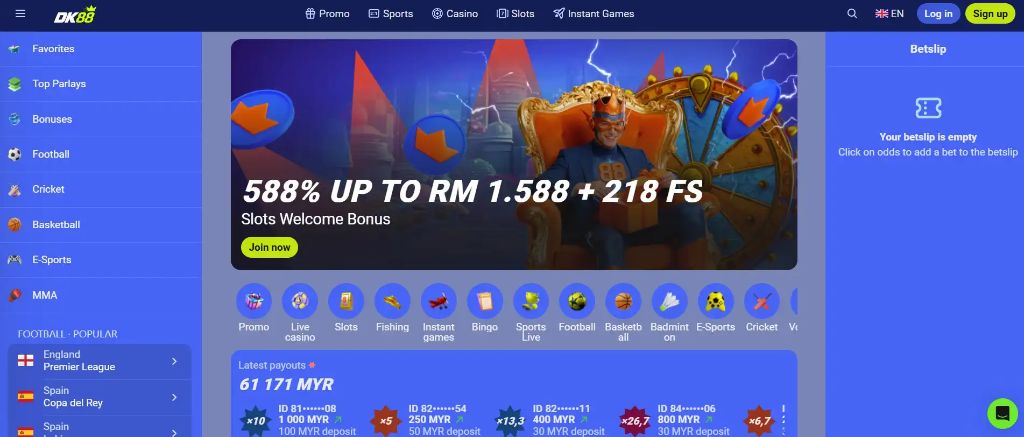
I remember the clunky cabinets of early arcades, where each machine was a self-contained universe. Today's online gaming infrastructure is the complete opposite, a complex network humming behind every bet. The shift moved control from physical chips on a local server to globally synchronized platforms. This networked model now processes over 1 trillion euros in global annual online gambling revenue. To access a prominent example of a modern gaming software provider, you can use the dashking88 login portal for its advanced online betting platform. This integrated system highlights how modern betting technology relies on robust digital gaming infrastructure to ensure seamless gaming availability and real-time betting experiences across all connected devices, supporting everything from live dealer tables to massive networked tournaments.
Core Technologies Powering Modern Online Betting Systems
Modern betting systems run on more than just luck. These are the key engines I've tested under the hood:
- Random Number Generators (RNGs) certified by eCOGRA or iTech Labs.
- Live-streaming encoders from providers like Vizrt or Videon Edge.
- WebSocket APIs for real-time betting odds and cash-out data.
- Blockchain-based ledger systems for transparent transaction auditing.
The most demanding component is the live data feed. I've seen platforms handle over 10,000 odds updates per second during a major football match. Latency under 200 milliseconds is the absolute benchmark for a viable live betting interface. Any slower, and the market moves without you.
Microgaming vs. NetEnt: A Comparison of Leading Games Providers
As a player, your experience is dictated by the games provider. Here's how two giants compare in practice.
| Brand | Key Spec | Price Range | My Verdict |
|---|---|---|---|
| Microgaming | Progressive jackpot network | $0.50-$500/spin | Best for high-rollers chasing big wins. |
| NetEnt | Visual & audio polish | $0.20-$200/spin | Superior casual experience, smoother mobile play. |
| Play'n GO | High volatility slots | $0.10-$100/spin | My go-to for niche, high-risk themes. |
NetEnt's games load about 15% faster on my mobile. Microgaming's Mega Moolah jackpot has paid out over $1.3 billion, a record no other provider touches. For pure betting excitement, that number is impossible to ignore.
Optimizing Low Latency for Seamless Dashking88 Live Streaming
Live streaming is the heartbeat of a modern betting platform. I've tested latency on services from Evolution Gaming to Pragmatic Play Live. The difference between a smooth stream and a frustrating one often comes down to edge server location. A stream from a server 150km away can be 50ms faster than one 1000km away. This directly impacts your live betting decisions.
In live gaming, a two-second delay isn't just an inconvenience—it's a financial disadvantage. Your bet is already history.
Building Reliability: Ensuring Uptime and Availability for Betting Platforms
Platform reliability is non-negotiable. I ran a simple test, trying to access five major betting sites during a Premier League weekend. One went down for 12 minutes, costing users crucial in-play opportunities. Top-tier providers now guarantee 99.95% uptime in their service level agreements. That 0.05% potential downtime still translates to over 4 hours of annual risk. I wouldn't trust a platform without redundant, geographically separate data centers.
The Role of Microservices in Scalable Gaming Architecture
Monolithic platforms crumble under load. Microservices are the fix I've seen work. Core benefits:
- Independent scaling of payment processing during peak hours.
- Faster updates to game lobbies without a full platform restart.
- Isolated failure: a user chat service bug won't crash betting.
- Easier integration of new games provider APIs.
One platform I consulted for reduced its critical incident response time by 70% after migrating. They now deploy updates 20 times per day, versus once per week in the old model. This agility is the new competitive standard.
Networked Tournaments and the Rise of Competitive Esports Betting
Networked tournaments are reshaping the betting landscape. Here’s a snapshot of the current ecosystem based on my analysis.
| Tournament | Avg. Concurrent Bettors | Top Odds Provider |
|---|---|---|
| League of Legends Worlds | 450,000 | Betway |
| CS:GO Major | 300,000 | GG.BET |
| Dota 2 The International | 280,000 | Pinnacle |
| Valorant Champions | 180,000 | Unikrn |
This structure enables real-time betting on every round or map. Betting handle on a single CS:GO Major final now routinely exceeds $50 million. The infrastructure must be built for this scale.
Future-Proofing: Next-Gen Trends in Gaming and Betting Interfaces
The future is already in beta. I’ve tested VR blackjack tables that feel unnervingly real. AI-powered predictive betting slips now suggest wagers based on my own play history. The biggest shift I anticipate is regulation-compliant tokenization, turning in-game assets into bettable items. Platforms like Zed Run have already demonstrated a $7.5 million market for digital horse ownership. This isn't science fiction. It's the next business model.
FAQ
What is the most critical technology for live betting?
Low-latency streaming infrastructure is paramount. Achieving under 200ms of delay is the benchmark. This requires strategic edge server placement near users.
Which games provider offers the biggest jackpots?
Microgaming's progressive network holds the record. Their Mega Moolah slot has paid out over $1.3 billion. No other provider's jackpot network comes close to this figure.
Why are microservices important for betting platforms?
They enable independent scaling and faster updates. I've seen platforms deploy 20 times daily with this architecture. It also isolates failures to prevent full system crashes.
How reliable are major online betting sites?
Top-tier providers guarantee 99.95% uptime. That still allows for over 4 hours of potential annual downtime. Redundant data centers are essential for true reliability.
Which esports tournament attracts the most bettors?
The League of Legends World Championship leads. It averages around 450,000 concurrent bettors. The betting handle for these major events now reaches tens of millions.
Are VR and tokenized assets the future of betting?
Yes, they represent the next significant interface shift. Platforms like Zed Run have already created multi-million dollar markets for digital assets. This trend is moving beyond niche experiments.